Introduction
The tiger serpent is among Australia's most notorious reptiles, feared for its potent venom and aggressive personality. This interesting creature plays a critical duty in the ecological community, yet it often deals with misunderstandings that lead to unneeded worry. In this thorough short article, we will explore the globe of the tiger snake, discovering its habitat, venom features, and crucial first aid practices in situation of a snake bite.
Understanding the Tiger Snake: Environment, Poison, and First Aid Essentials
Tiger snakes are predominantly located along the southern shoreline of Australia, consisting of Tasmania. They prosper in numerous settings such as wetlands, seaside regions, and also city areas. Their adaptability makes them successful predators; nevertheless, their proximity to human environments usually results in experiences that can result in bites.
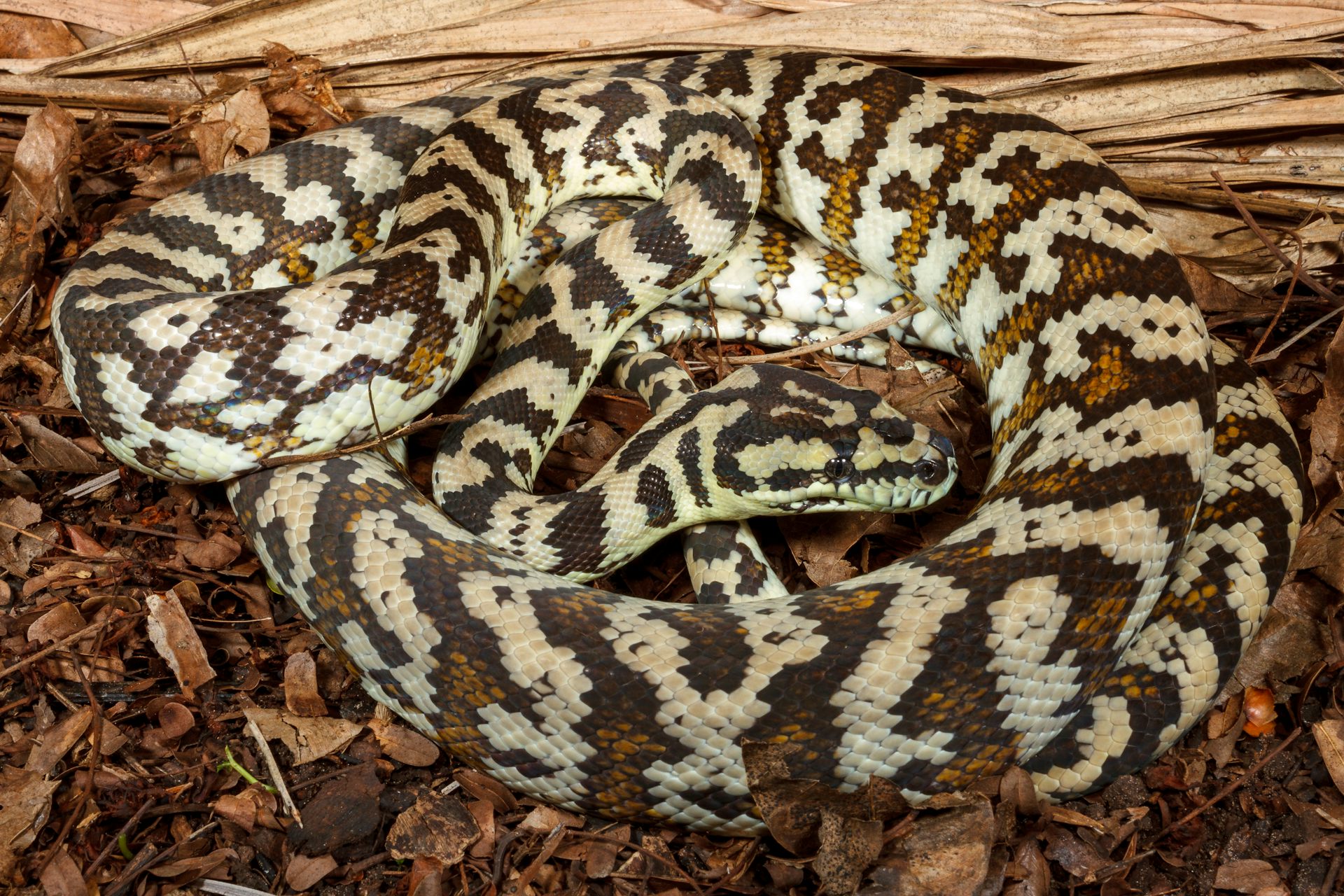
This short article intends to debunk tiger snakes by discussing their habitat Australian snake distribution choices, examining their venom composition and effects on people, and giving critical emergency treatment details for bites.
1. Tiger Snake Environment: Where Do They Live?
1.1 Review of Tiger Snake Distribution
Tiger serpents (Notechis scutatus) are largely discovered in southerly Australia and Tasmania. They inhabit various ecosystems ranging from coastal marshes to freshwater lakes.
- Coastal Regions: Tiger snakes are commonly discovered near coastlines where they hunt for fish and amphibians. Wetlands: These locations offer ample hiding areas and abundant prey. Urban Areas: As cities increase into all-natural habitats, tiger snakes may be seen venturing right into suburban yards or parks.
1.2 Preferred Environments of Tiger Snakes
Tiger serpents favor damp atmospheres where water resources are conveniently offered. Their environments generally include:
- Marshes: The thick plant life allows them to assail prey effectively. Swamps: These areas provide sanctuary from predators while supplying an abundant searching ground. Riversides: Water bodies attract many animals which act as food resources for these snakes.
1.3 Environmental Variables Influencing Habitat Choice
Several factors influence where tiger snakes select to stay:
- Temperature: Being ectothermic (cold-blooded), they call for cozy atmospheres for optimal task levels. Prey Availability: High populaces of frogs and small creatures bring in these snakes. Shelter: Thick vegetation serves not only as camouflage but additionally as defense versus prospective threats.
2. Are Tiger Snakes Venomous? Recognizing Their Venom
2.1 Structure of Tiger Snake Venom
Yes! Tiger serpents Australian snake facts are without a doubt poisonous creatures. Their poison is a complicated mixture containing neurotoxins that can trigger paralysis and coagulopathies impacting blood clot mechanisms.
Key Elements of Venom:
- Neurotoxins: Influence nerve function bring about paralysis. Hemotoxins: Damage blood vessels triggering inner bleeding.
Understanding these components helps us appreciate the effectiveness of a tiger serpent bite.
2.2 Results of a Tiger Serpent Bite on Humans
A bite from a tiger serpent can result in extreme signs and symptoms:
- Local Symptoms: Discomfort, swelling, and staining at the bite site. Systemic Symptoms: Queasiness, vomiting, problem breathing as a result of paralysis or constraint of airways.
Severity Levels
Minor Bite: Local discomfort without systemic symptoms. Moderate Bite: Systemic signs yet manageable with medical care. Severe Bite: Dangerous; requires prompt clinical intervention.3. Identifying Different Types of Tiger Snakes
3.1 Eastern vs Tasmanian Tiger Snakes
There are 2 main categories based on geographic distribution:
Eastern Tiger Snake (Notechis scutatus)
Found along eastern coastlines up to Queensland.
Tasmanian Tiger Snake (Notechis scutatus)
Adapted especially to Tasmania's special environment with a little varying coloration patterns.
3.2 Shade Variations in Habitat Preferences
Tiger serpents show substantial color variants relying on their environment:
- Coastal populations often show red stripes or spots for much better camouflage against sandy shores.
4. Behavior Patterns of Tiger Snakes
4.1 Aggression Level
Tiger serpents are known for their hostile actions when intimidated or caught which can result in defensive strikes if provoked.
4.2 Hunting Techniques
They have amazing dexterity allowing them to strike quickly at target such as frogs or small rodents primarily during golden hours when they're most energetic-- making them nocturnal hunters!
5. First Aid for Serpent Bites: Vital Steps You Should Know
When it comes to dealing with serpent bites, knowledge is vital!
5.1 Immediate Actions After a Bite
http://ericknwgr269.yousher.com/a-beginner-s-guide-to-australian-serpents-concentrate-on-tiger-snakesIf bitten by a tiger snake:
Stay calm! Panic enhances heart rate which spreads venom faster through your bloodstream.
Apply pressure around the injury using clean fabrics-- avoid reducing or sucking out venom!
Remove tight clothing/jewelry near the bite site; swelling may happen rapidly.


Immobilize the impacted arm or leg utilizing splints if possible-- this restricts activity helping decrease venom spread!
5.2 Getting Medical Help
Seek emergency medical assistance instantly! Time is important when dealing with prospective envenomation from tiger serpents!
5.3 Emergency treatment Package Fundamentals for Snake Bites
Having a well-appointed first aid set can make all the distinction during emergencies:
|Item|Summary|| ------|-------------|| Pressure Bandage|Aids immobilize injury|| Sterile Gauze|For dressing injuries|| Emergency Situation Get In Touch With Details|Quick gain access to numbers|| Antivenom Information|Expertise regarding regional antivenoms|
6 Frequently asked questions Concerning Tiger Snakes
Q1: Are all tiger snakes dangerous?
A: While all have venomous abilities affecting humans considerably-- most choose evasion unless threatened!
Q2: How rapidly does tiger serpent venom affect humans?
A: Signs and symptoms might show up within minutes depending upon area & & quantity infused during envenomation events!
Q3: Can you survive a tiger serpent bite without treatment?
A: Unattended bites can be deadly due to fast development; immediate healthcare is crucial!
Q4: What need to I do if I encounter one?
A: Preserve distance & & pull back gradually; stay clear of sudden motions that might prompt aggression!
Q5: Exactly how usual are attacks from tiger snakes?
A: Although encounters occur regularly-- real attacks remain fairly rare due mostly due preventive steps taken by citizens living within influenced ranges.
Q6: Is there an antidote available?
A: Yes! Antivenoms certain for Australian types exist-- medical centers carry these medications ready when needed quickly post-bite incidents!
7 Conclusion
Understanding the ins and outs bordering "Recognizing the Tiger Serpent: Habitat, Venom, and Emergency Treatment Basics" is vital not only for individual safety and security but additionally cultivating conjunction with these amazing animals inhabiting Australia's landscape! By discovering more about their habits & & reliable action approaches concerning potential experiences-- we furnish ourselves much better versus unnecessary anxieties while appreciating nature's diversity fully! So allow's welcome education rather are afraid-- it leads towards consistency in between humankind wild animals alike!